Three people. Three moments.
One decision.
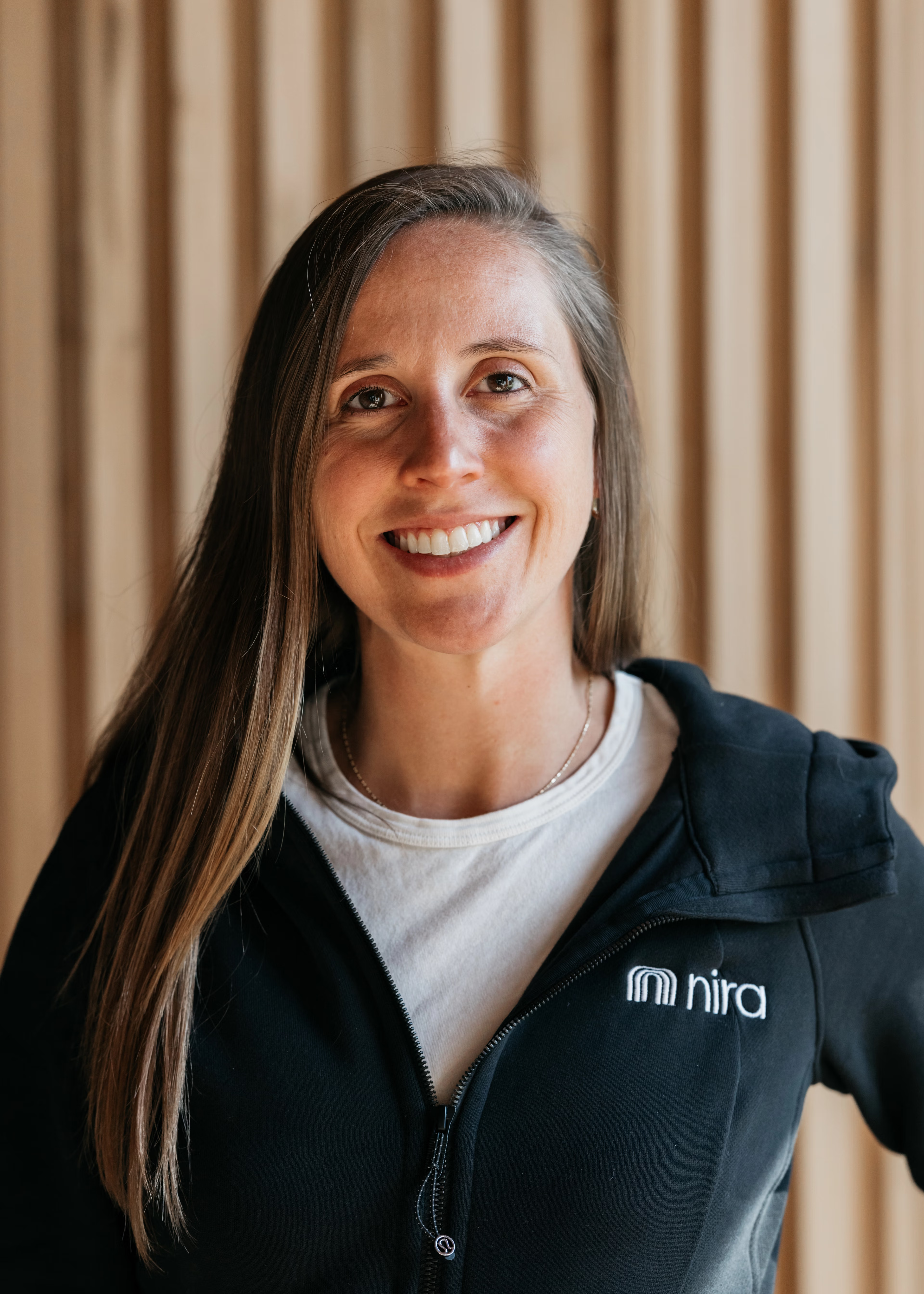
She watched someone she loved fall through the cracks.
And couldn't stop thinking there had to be another way.
It started with a child Gracia loved and a system that kept failing her. Not because anyone stopped caring. Not because the doctors were bad. But because the structure of care was never built to hold what a parent actually knows - the patterns they live with every day, the observations that don't fit in a 10-minute appointment, the feeling that something is off that they can't quite name but absolutely cannot shake.
She watched appointment after appointment end with the same answers. She watched what she noticed get lost between visits. And she kept thinking: the problem isn't that the answers don't exist. The problem is that nobody has a way to capture what's already there - in the daily moments, in the patterns, in the parent who is paying closer attention than anyone in that exam room.
She couldn't stop thinking it. So eventually, she decided to build it. Not a tweak to the existing system. Something that gave parents a real place to put what they already know - and something smart enough to show them what it means.
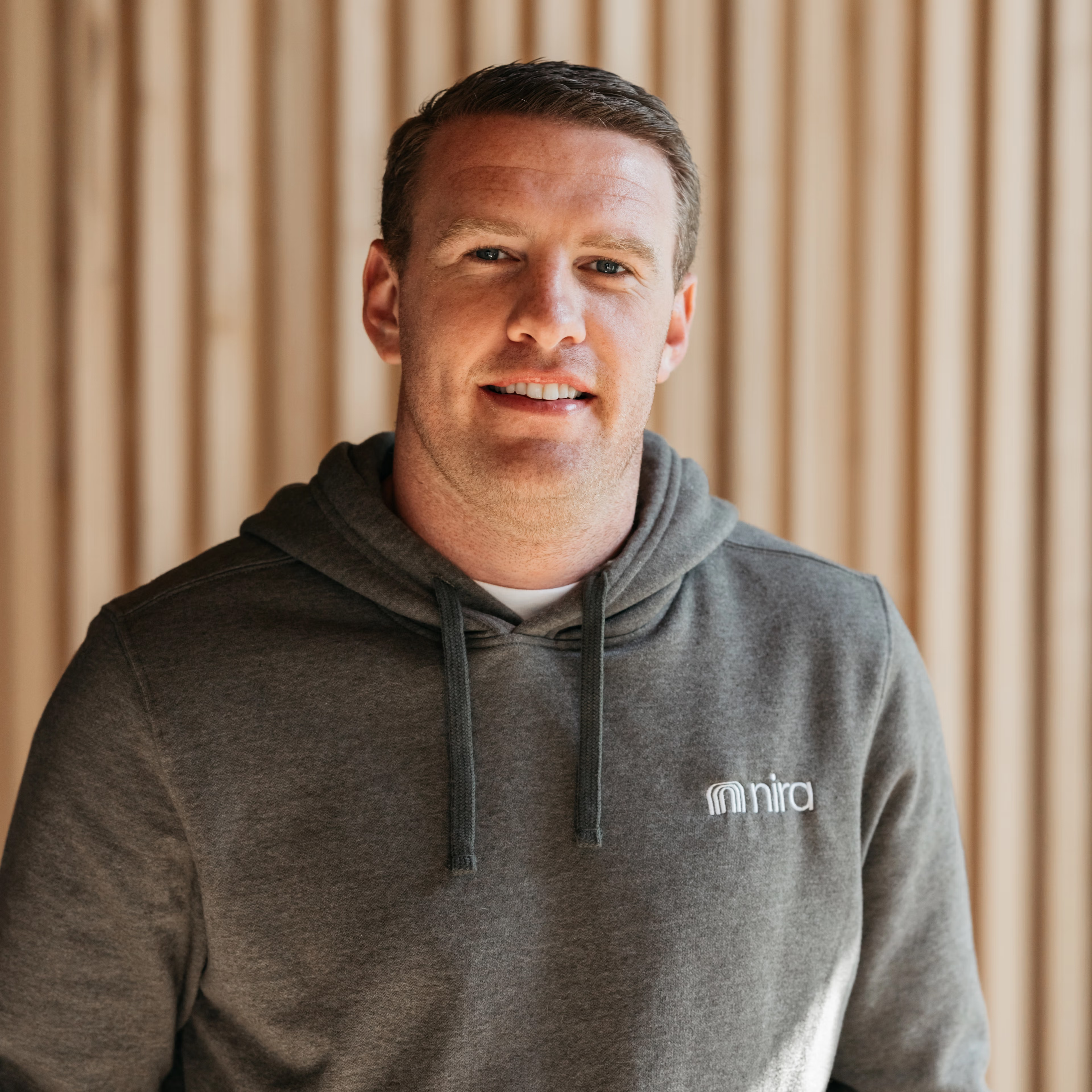
It was personal.
And then it became impossible to ignore.
Tanner felt it too, because it was his family. Watching someone brilliant and capable - someone full of potential - get handed a generic answer to a specific problem. Watching parents leave appointments without resolution. Watching them try to advocate for their child in a system that wasn't set up to listen to them, not really.
He'd spent enough time watching this happen to understand the root of it. The system wasn't broken because of bad doctors or bad intentions. It was broken because the most important data - what a child's life actually looks like day to day - never made it into the room where decisions were made. Parents were carrying it around in their heads, and it disappeared before it could be used.
When Gracia said she wanted to build something different, Tanner was already there. He brings the operational rigor and the deep conviction that this isn't just a good idea - it is the thing that has to exist, built seriously, built to scale, without losing the thing that makes it matter.
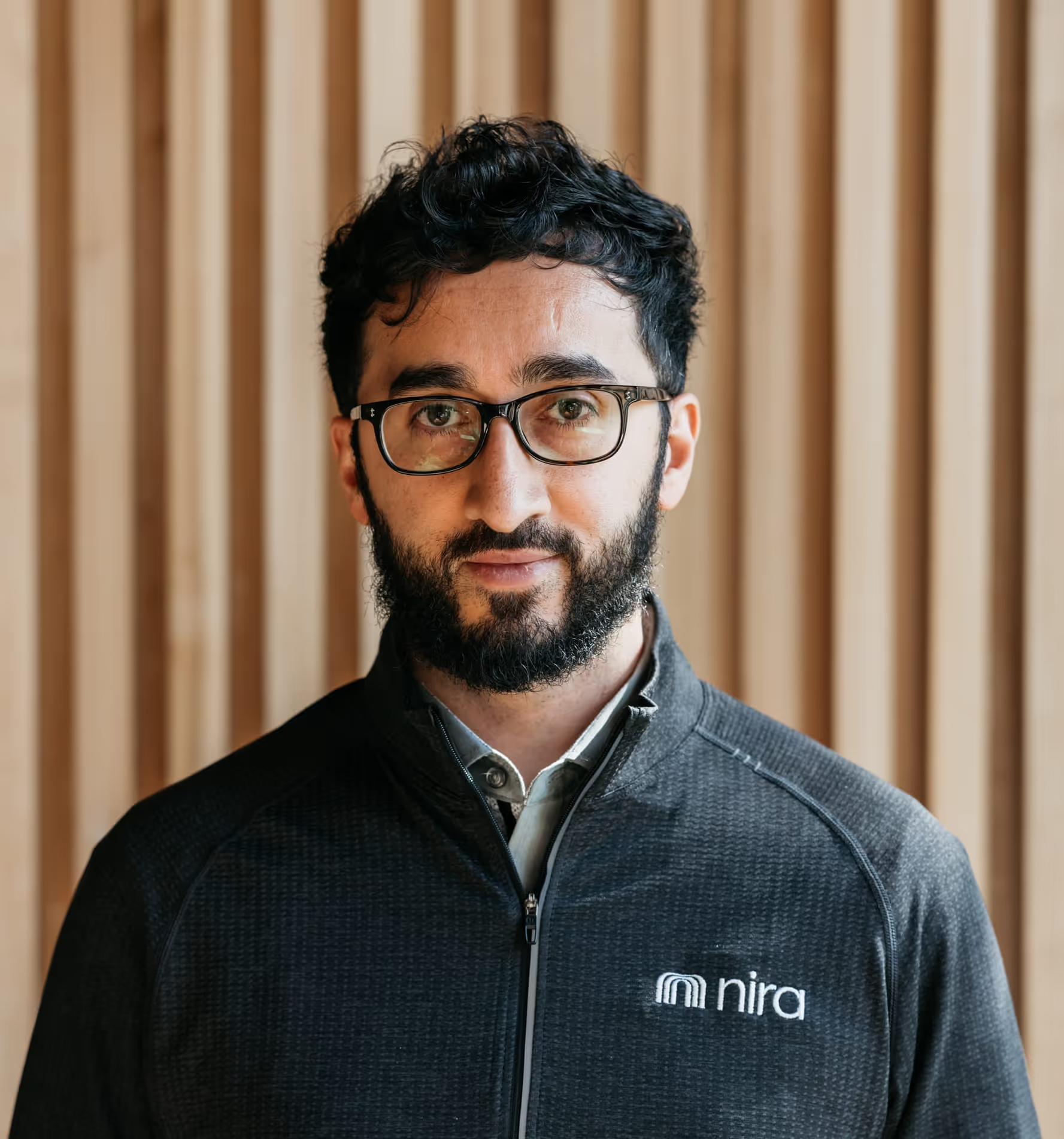
He had been seeing the same moment
for ten years.
"Nobody has ever shown me this before."
Dr. Muneer Ali had been doing this work long before Atlas existed. One family at a time, in a clinical setting, doing what the standard system almost never has time for: actually looking. At the biology. At the patterns. At the full picture of what was driving a child's behavior rather than just what to call it.
And in nearly every intake, there was a moment. Sometimes it came when he was reviewing results. Sometimes just from listening carefully to a parent describe what they'd been seeing at home for months, years. A parent would look up and say: nobody has ever shown me this before. Not surprised that the pattern existed. Surprised that someone finally saw it.
He knew what became possible when you actually looked. He had watched children transform when someone understood what was driving their behavior. The problem was that this kind of looking didn't scale. You could not do it one 90-minute appointment at a time and reach every family that needed it. Atlas is how it scales. The daily tracking, the pattern recognition, the moment of clarity that used to require a specialist - built so it can happen in your pocket, every day, before anyone makes a decision.